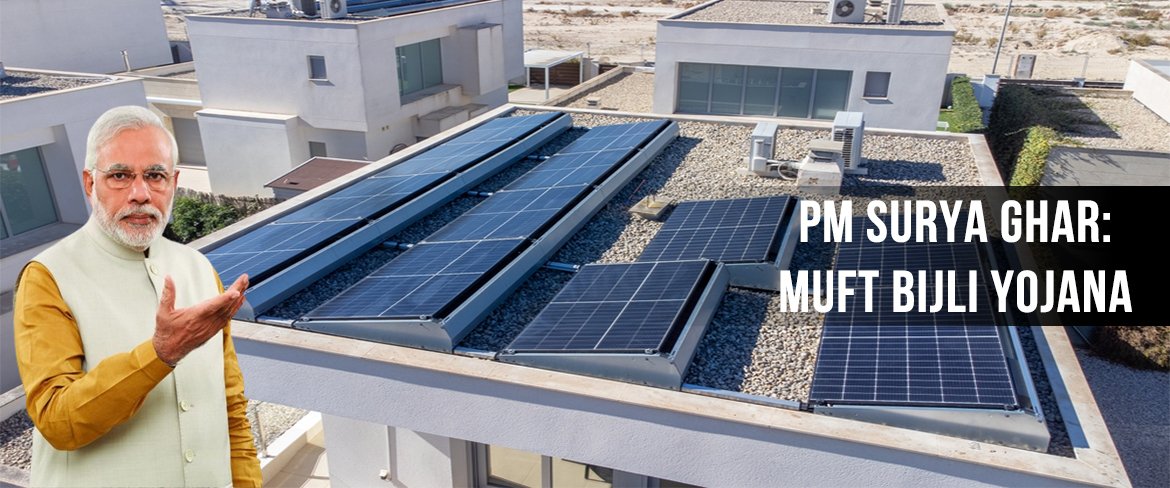
The Union Cabinet, chaired by the Prime Minister Shri Narendra Modi, has approved PM-Surya Ghar: Muft Bijli Yojana with a total outlay of Rs.75,021 crore for installing rooftop solar and providing free electricity up to 300 units every month for One Crore households. The Prime Minister had launched the scheme on 13th February, 2024.
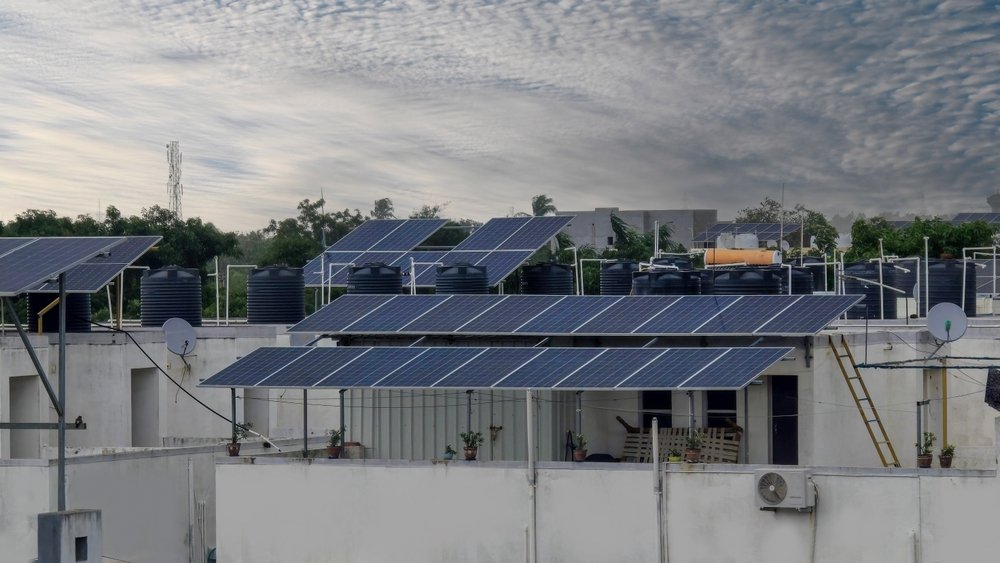
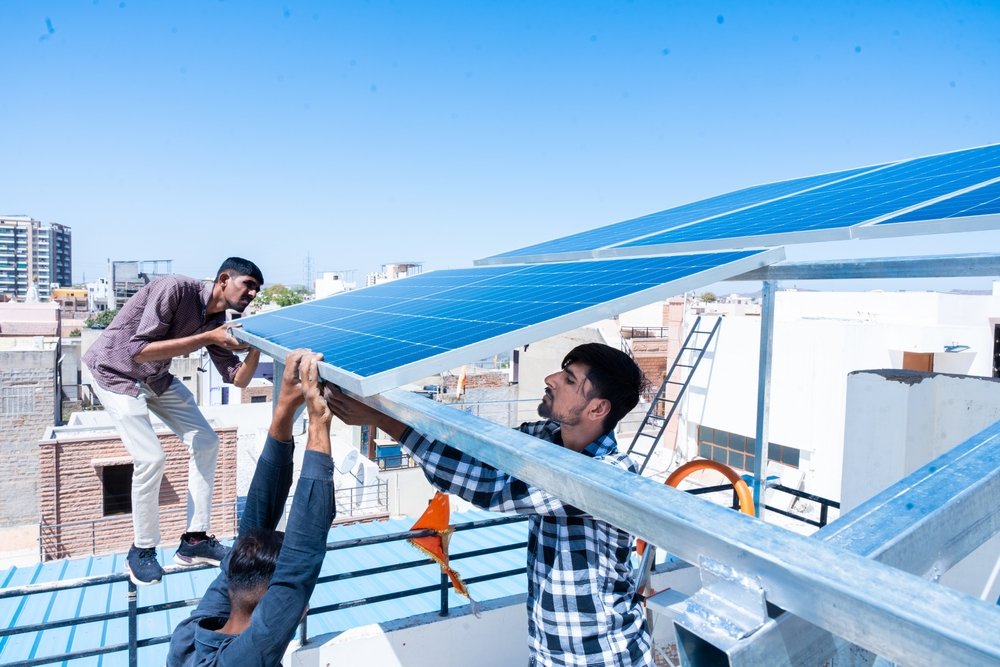
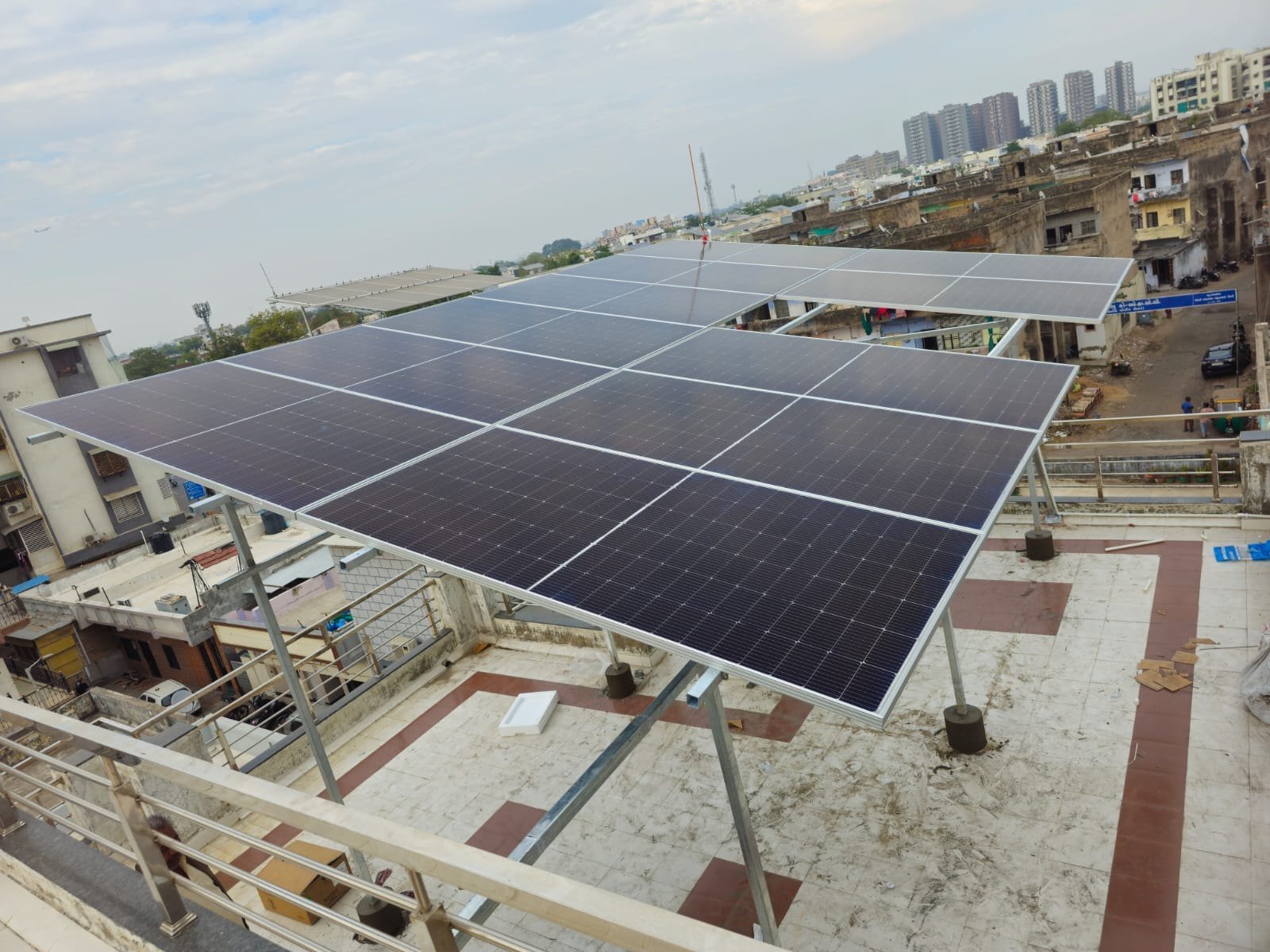
Residential solar plants offer homeowners a sustainable and cost-effective way to generate their own electricity. By capturing the sun’s energy with photovoltaic (PV) panels, these systems convert sunlight directly into electricity, helping you reduce your reliance on traditional power sources and significantly lower your electricity bills.
Today’s residential solar systems feature advanced technology, including high-efficiency solar panels, robust inverters, and flexible battery storage options. Whether you need a grid-tied, off-grid, or hybrid system, there’s a solution to fit your specific energy needs. Plus, government incentives, subsidies, and net metering policies make solar power more affordable and beneficial for homeowners than ever before.
Installing a solar plant does more than just save you money; it also reduces your carbon footprint and increases your property value. With minimal maintenance requirements and a lifespan of over 25 years, solar energy is a truly smart investment for sustainable living.
At Takshaya Power Private Limited, we provide customized solar solutions designed specifically for residential needs. You can count on us for high-quality products, professional installation, and long-term efficiency.
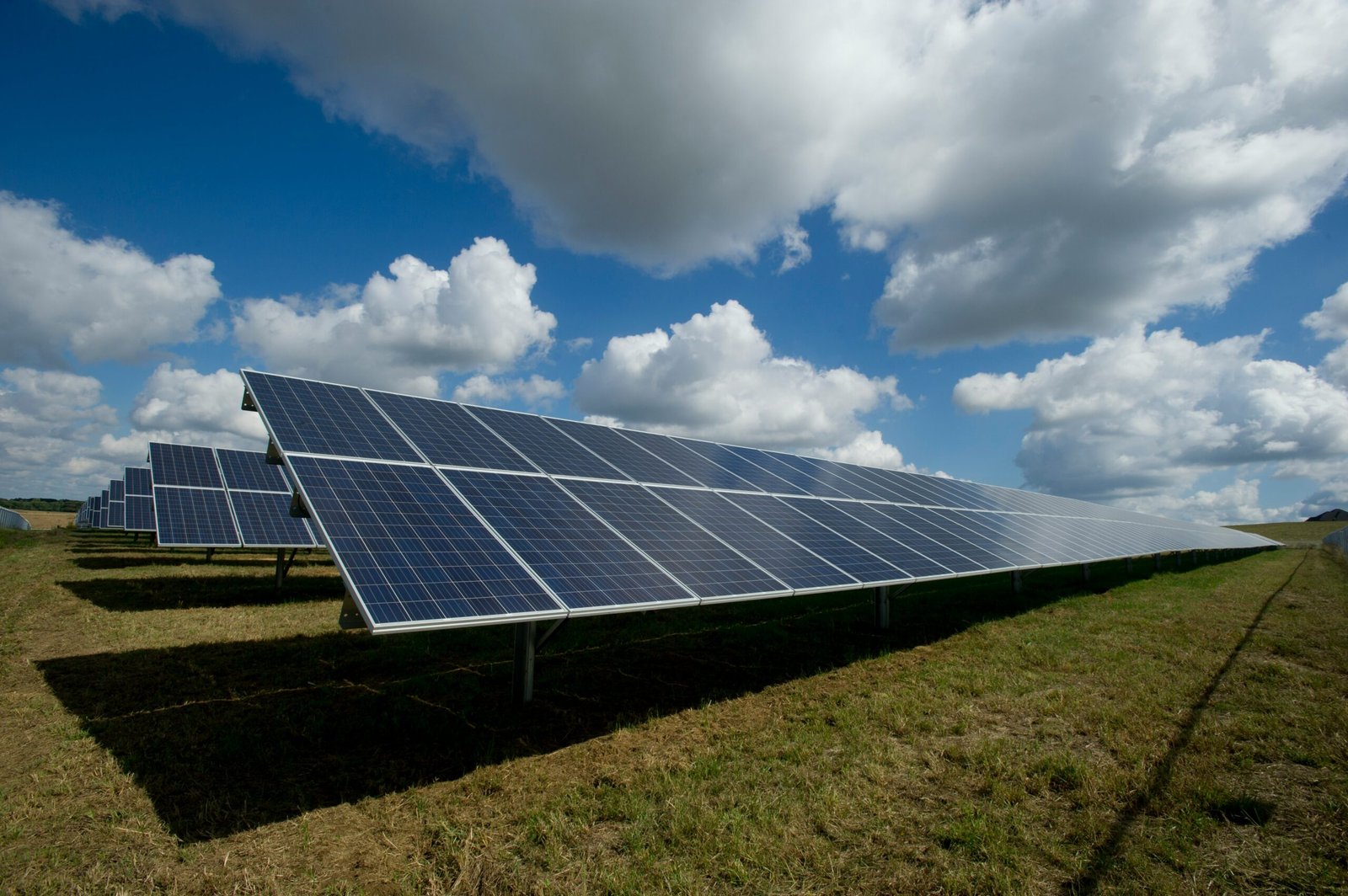
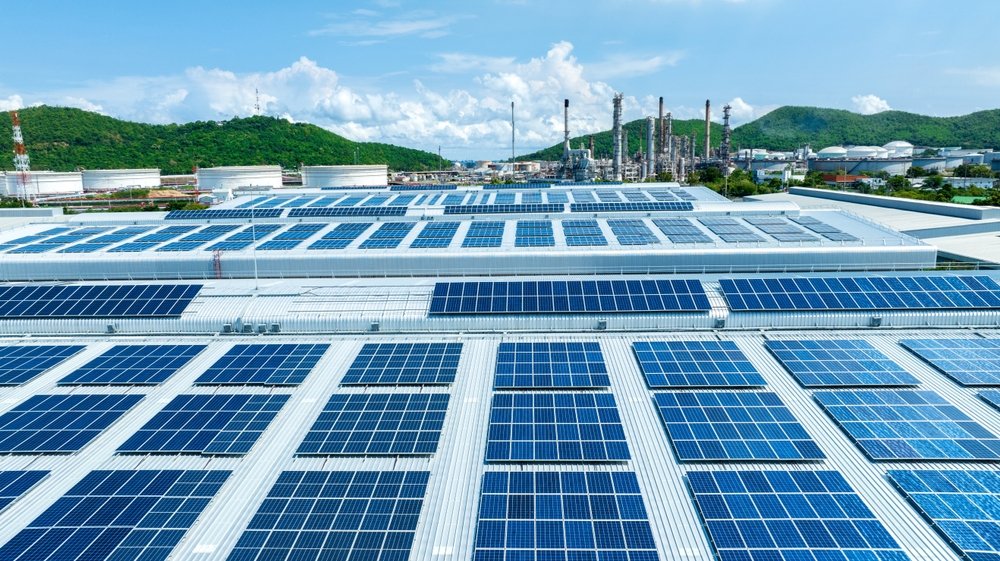
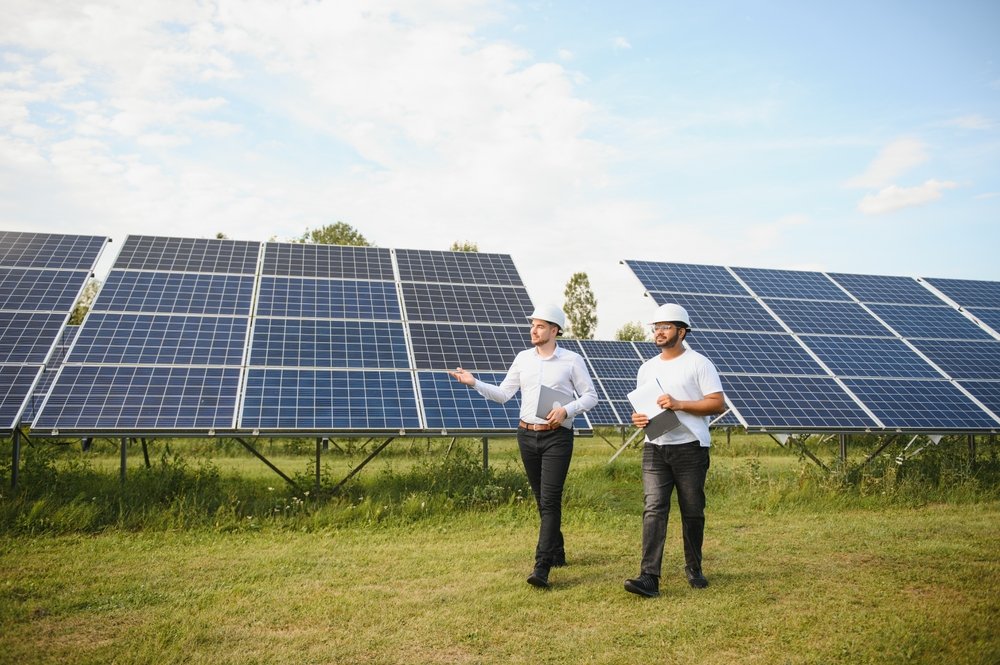
Commercial solar plants are large-scale solar energy systems built to power businesses, industries, and institutions. They convert sunlight into clean, renewable electricity using either photovoltaic (PV) panels or concentrated solar power (CSP) systems. Unlike smaller home systems, commercial solar installations typically span vast land areas or large rooftops, with power capacities ranging from hundreds of kilowatts to several megawatts.
The increasing need for sustainable energy has led many businesses to invest in commercial solar. These systems offer a wealth of benefits, including significantly lower electricity bills, greater energy independence, minimal maintenance, and a much smaller carbon footprint. Plus, with government incentives, tax benefits, and falling solar panel costs, going solar is more accessible and financially sound than ever.
Beyond the financial perks, commercial solar plants are a big win for corporate social responsibility (CSR). By adopting solar, companies show their commitment to environmental care, which in turn boosts their reputation. These systems can even be paired with battery storage to guarantee continuous power, especially during peak demand or unexpected grid outages.
Commercial solar is making waves across various sectors like agriculture, manufacturing, education, hospitality, and retail. It provides a reliable and sustainable energy source that perfectly aligns with global efforts to cut carbon emissions and fight climate change. As technology keeps evolving, commercial solar plants are set to play a pivotal role in reshaping how we produce and consume energy in the future.
With the increasing desire for sustainable living and rising electricity costs, many homeowners are choosing to invest in residential solar. These systems offer a wealth of benefits, including significantly reduced electricity bills, greater energy independence, minimal maintenance, and a smaller carbon footprint. Furthermore, various government incentives, tax credits, and the decreasing cost of solar panels have made home solar installations more affordable and accessible than ever before.
Installing residential solar also allows homeowners to contribute to environmental stewardship, enhancing their property’s value while demonstrating a commitment to sustainability. These systems can be integrated with battery storage solutions, providing backup power during grid outages and ensuring an uninterrupted electricity supply, especially during peak demand.
Commercial solar plants are large-scale solar energy systems built to power businesses, industries, and institutions. They convert sunlight into clean, renewable electricity using either photovoltaic (PV) panels or concentrated solar power (CSP) systems. Unlike smaller home systems, commercial solar installations typically span vast land areas or large rooftops, with power capacities ranging from hundreds of kilowatts to several megawatts.
The increasing need for sustainable energy has led many businesses to invest in commercial solar. These systems offer a wealth of benefits, including significantly lower electricity bills, greater energy independence, minimal maintenance, and a much smaller carbon footprint. Plus, with government incentives, tax benefits, and falling solar panel costs, going solar is more accessible and financially sound than ever.
Beyond the financial perks, commercial solar plants are a big win for corporate social responsibility (CSR). By adopting solar, companies show their commitment to environmental care, which in turn boosts their reputation. These systems can even be paired with battery storage to guarantee continuous power, especially during peak demand or unexpected grid outages.
Commercial solar is making waves across various sectors like agriculture, manufacturing, education, hospitality, and retail. It provides a reliable and sustainable energy source that perfectly aligns with global efforts to cut carbon emissions and fight climate change. As technology keeps evolving, commercial solar plants are set to play a pivotal role in reshaping how we produce and consume energy in the future.

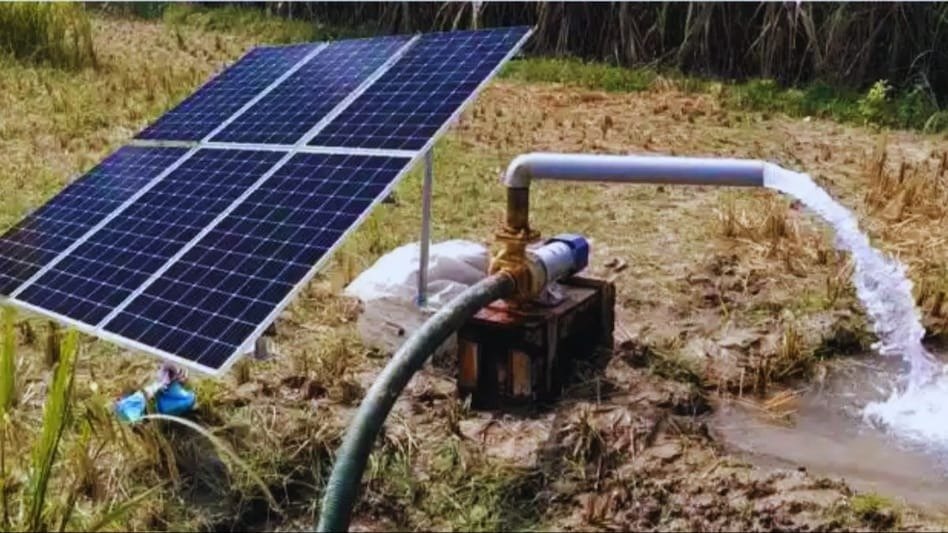

The PM KUSUM Yojana is a government initiative designed to bring the benefits of solar energy to India’s agricultural sector. This scheme empowers farmers by helping them install solar pumps and grid-connected solar power plants. The goal is to lessen their reliance on conventional electricity and expensive diesel.
By offering subsidies, PM KUSUM makes solar energy an affordable option for farmers. This not only ensures a sustainable irrigation source but also provides an opportunity for extra income through selling surplus solar power back to the grid. Ultimately, the Yojana aims to boost farmers’ incomes, promote clean energy, and support overall rural development across India.
A residential solar pump offers an environmentally friendly way for households to secure a sustainable water supply, all powered by the sun. These pumps significantly reduce electricity costs and are especially effective in remote areas where traditional power access is limited.
Designed for convenience, residential solar pumps require minimal maintenance, operate silently, and provide long-term savings. They are ideal for various applications, including homes, gardens, and small farms, ensuring a reliable and renewable water source. Opting for a residential solar pump contributes to a greener environment and enhances your energy independence.
A Solar Atta Chakki is an innovative and eco-friendly flour mill, powered entirely by solar energy. This technology is a perfect fit for the PM KUSUM Yojana, designed to empower farmers and rural communities.
By harnessing the sun’s power, a Solar Atta Chakki significantly reduces electricity costs and ensures uninterrupted operation, even in areas with unreliable grid access. This makes it an ideal solution for rural entrepreneurs and small businesses seeking to grind wheat, rice, and other grains efficiently and sustainably.
With its low maintenance requirements and high efficiency, solar-powered flour mills offer substantial energy expense savings. More than just a cost-saving measure, this innovation promotes self-sufficiency, drastically reduces carbon footprints, and enhances rural livelihoods by providing a reliable and sustainable source of income. It’s a direct step towards energy independence and environmental stewardship, aligning perfectly with the goals of PM KUSUM.
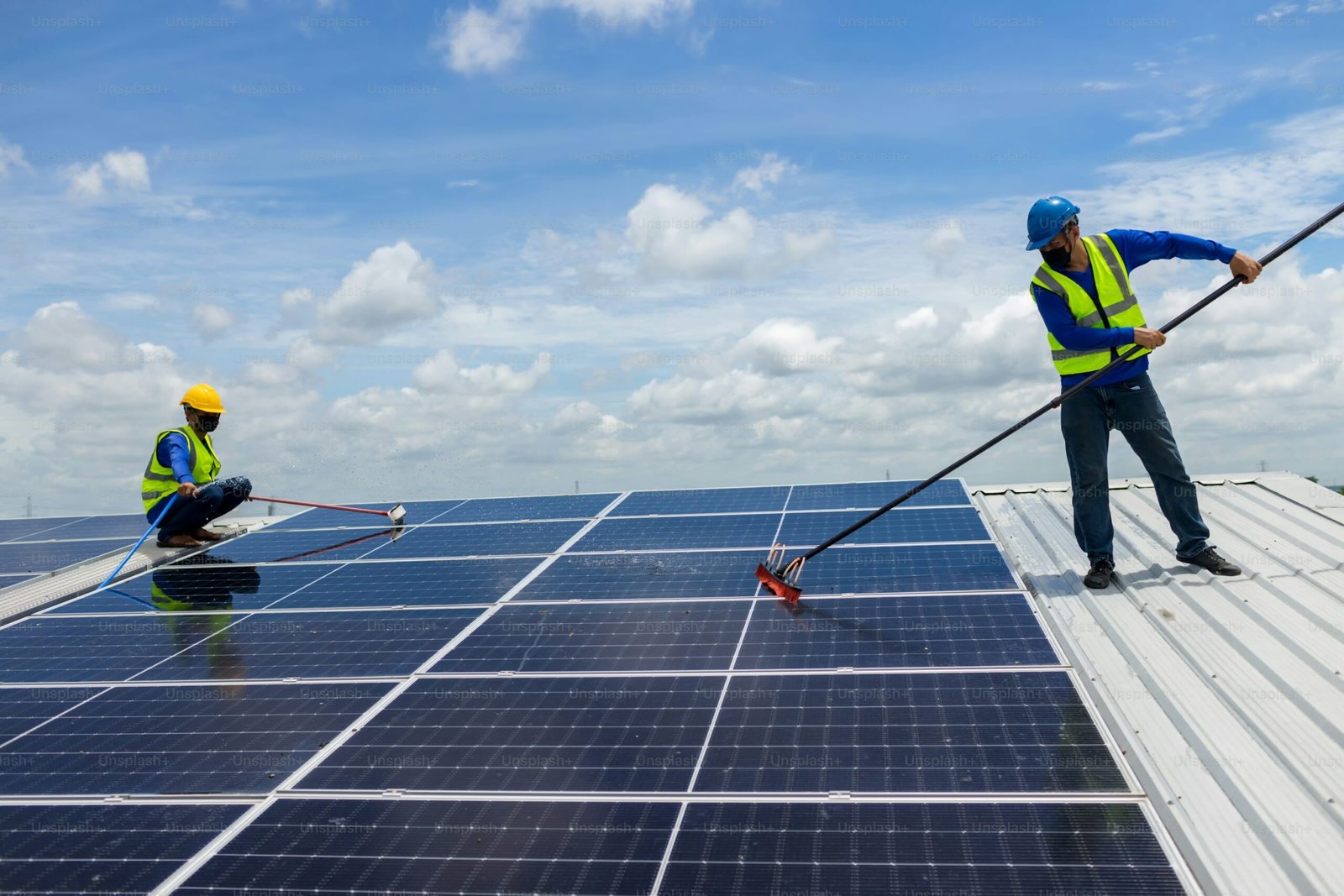
Operations and Maintenance (O&M) in solar companies encompass a range of activities aimed at ensuring solar power systems operate efficiently, safely, and reliably throughout their expected lifespans. Effective O&M practices are crucial for maximizing energy production, minimizing downtime, and protecting the financial investments made in solar installations.
Effective operations and maintenance (O&M) are crucial for ensuring the optimal performance and longevity of solar photovoltaic (PV) systems. A well-structured O&M program not only maximizes energy production but also minimizes potential risks and operational costs.
WhatsApp us